Valor
Seth Klarman: The Margin of Safety Master Behind Baupost
Seth Klarman compounded ~20% a year at Baupost for nearly four decades. See his playbook, top holdings, and why his 1991 book sells for $1,000.
8 min de lectura·
We use cookies
MainRatios uses cookies for essential site functions. With your consent, we also use analytics cookies including session replay sampling (PostHog, Google Analytics) and advertising cookies (Google AdSense). You can reject non-essential cookies, including the "sale" or sharing of personal information under CCPA, and you may withdraw consent at any time (GDPR). See our Privacy Policy for details.
Aprende de los más grandes inversores de la historia. Sus estrategias, filosofías y sabiduría atemporal.
Seth Klarman compounded ~20% a year at Baupost for nearly four decades. See his playbook, top holdings, and why his 1991 book sells for $1,000.
Buffett’s most contrarian bets — from Coca-Cola to Apple — reveal a timeless investing framework most people misunderstand.
How Appaloosa founder David Tepper compounded at ~25% a year for decades — his 2009 bank trade, current AI holdings, and the asymmetric playbook.

Peter Lynch returned ~29% a year at Magellan from 1977 to 1990 — almost doubling the S&P 500. Here is the GARP framework and PEG discipline that did it.
Buffett's success isn't just about buying cheap — here's the untold story of his approach to quality, moats, and long-term compounding.
Buffett's $1 billion PetroChina investment in 2003 returned 800% in 4 years — here's what it teaches us about his real strategy.

Buffett called himself '85% Graham, 15% Fisher.' The 15% — Philip Fisher's scuttlebutt method — is what built Berkshire's growth-at-quality engine.
Stanley Druckenmiller compounded capital at ~30% for 30 years with zero down years. The macro doctrine, the 1992 pound trade, and what is in his book today.
Joel Greenblatt compounded at ~50% a year for a decade. The Magic Formula he later published is the public version of that edge — applied to AAPL, V, and MA…
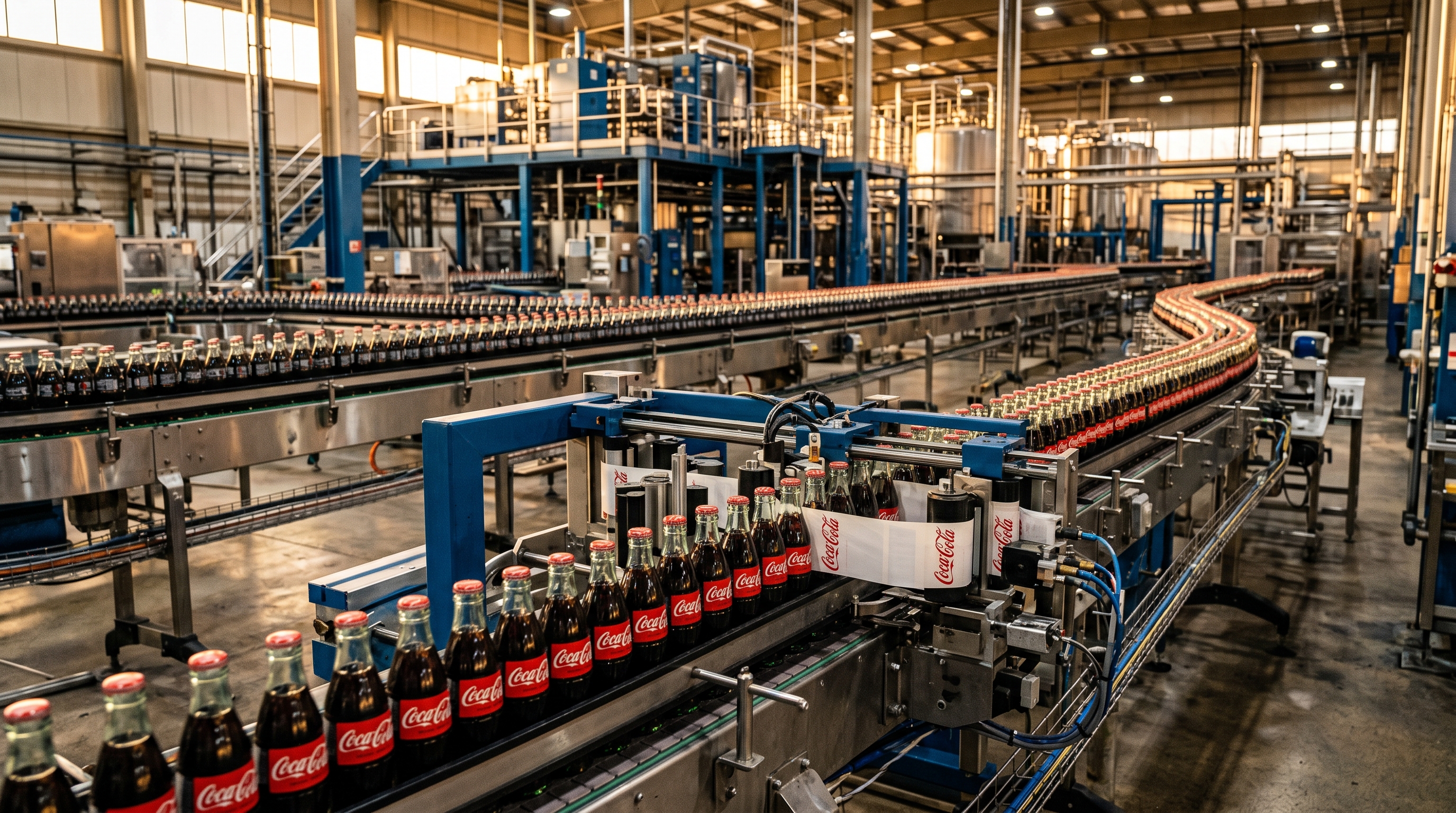
When Buffett bought $10B of $$KO$$ in 1988, analysts called it overpriced — now it's a masterclass in quality compounding most investors miss.
Buffett's genius isn't in picking stocks — it's in structuring deals with asymmetric upside and avoiding catastrophic losses. Here's how he does it.
Buffett's $1B bet on $$KO$$ during the 'New Coke' disaster reveals his true edge — and why most investors still miss it today.