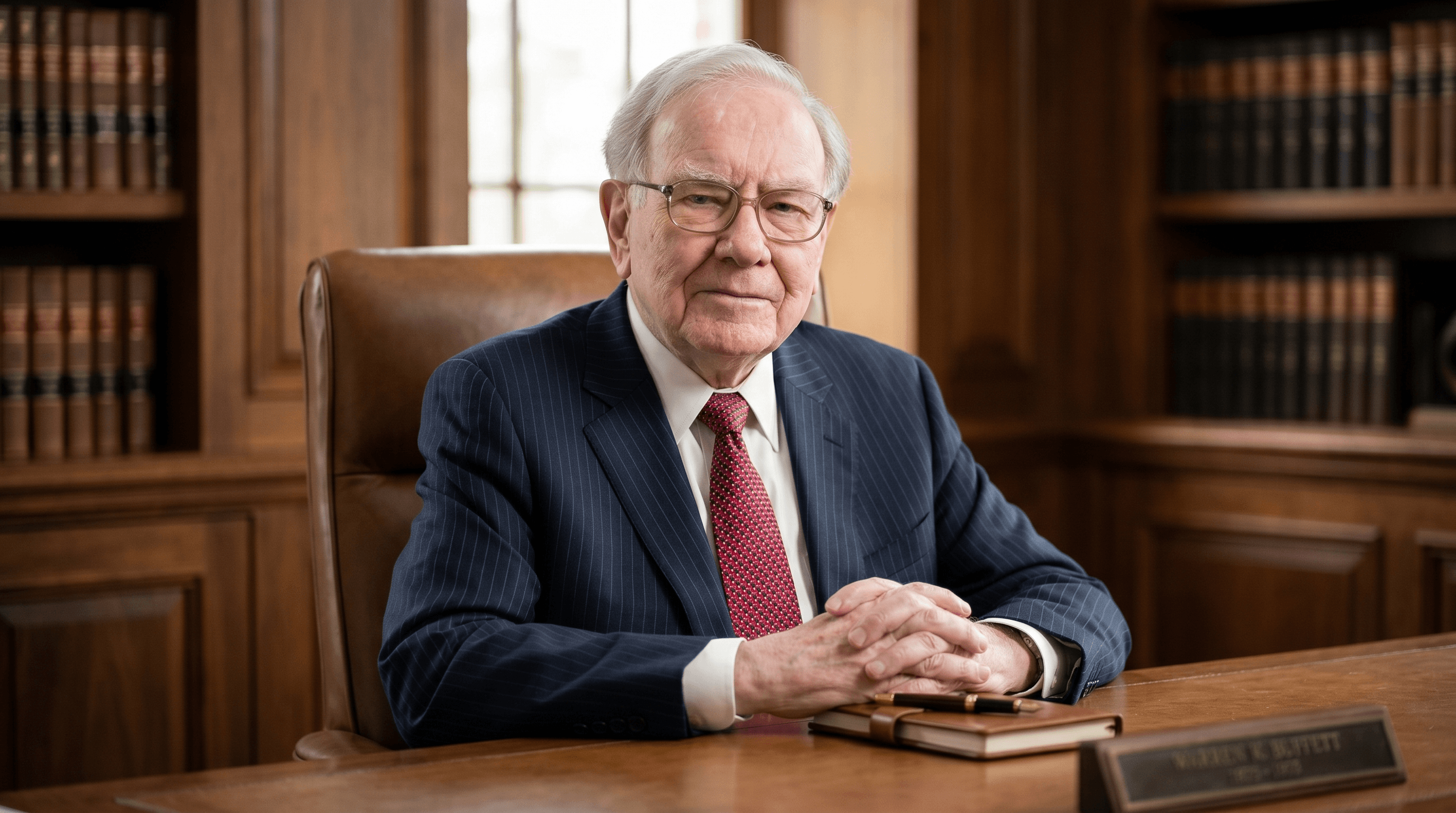
Warren Buffett's Contrarian Bet Most Investors Miss
Buffett's $38 billion stake in $$AAPL$$ defies his tech-averse reputation — here's the philosophy behind his apparent contradiction.
Key Takeaways
- Buffett's "tech avoidance" is a myth — he avoids speculation, not innovation
- Look for companies with 10+ years of pricing power, not just low P/E ratios
- BAC and KO show how he bets on durable moats during crises
- His cash pile hit $157 billion in Q1 2026 waiting for fat pitches
- Critics argue his size forces him into suboptimal mega-cap bets
When Warren Buffett bought $1 billion of AAPL in 2016, Wall Street gasped. The Oracle of Omaha, famous for avoiding tech, now had 25% of Berkshire's equity portfolio in a Silicon Valley giant. This wasn't a departure from his philosophy — it revealed how few investors truly understand his definition of 'value'.
The Philosophy Nobody Talks About
Buffett's 1988 investment in KO exemplifies his real edge. When Coca-Cola's stock crashed after the New Coke fiasco, he saw a brand that could raise prices 6% annually for decades. Today, KO's gross margins hover near 60% — triple typical consumer staples. Most investors fixate on his cigar-butt phase, but his fortune was built identifying compounders early.
His 2008 BAC investment reveals another layer. During the financial crisis, he secured preferred shares with a 6% dividend and warrants — terms unavailable to ordinary investors. While the position now earns $1.2 billion annually, it highlights how his cost of capital and reputation create unique opportunities.
Holdings That Prove It
| Ticker | % of Portfolio | Years Held | CAGR Since Purchase | Key Metric Buffett Liked |
|---|---|---|---|---|
| AAPL | 41% | 8 | ~29% | 75% gross margins, $110B buybacks |
| BAC | 11% | 14 | ~13% | 2.3% ROA crisis lows → 1.1% now |
| AXP | 7% | 32 | ~8% | 18% cardmember spend growth |
| KO | 6% | 36 | ~10% | 60% gross margins |
| OXY | 4% | 5 | ~6% | $10B debt reduction plan |
The Japan Trade: A Case Study
In 2020, Buffett quietly built $6 billion positions in five Japanese trading houses (MARUY, MITFY, etc.). While most investors dismissed Japan as a no-growth market, he recognized their 50-70 year histories, 5-7% dividend yields, and commodity exposure trading below book value. Three years later, the basket returned 120% versus 45% for the Nikkei. This play wasn't about Japan — it was about finding compounders the market mispriced as stagnant.
What He'd Do Today
With Berkshire's cash at record highs, Buffett's recent moves suggest three filters: 1) Companies repurchasing >3% of shares yearly (like CVX's $15B buyback), 2) Free cash flow yields >5% (HPQ at 7.5%), and 3) Management teams allocating capital rationally (DHI's 20% inventory turnover). The risk? His scale forces bets on AAPL-sized giants when smaller opportunities might offer better returns.
Ready to analyze these stocks? Search any ticker on MainRatios to see valuations from 6 legendary investors — free.
Frequently Asked Questions
He's not against technology — he's against speculating on unproven business models. AAPL had 15 years of profitability before his investment.