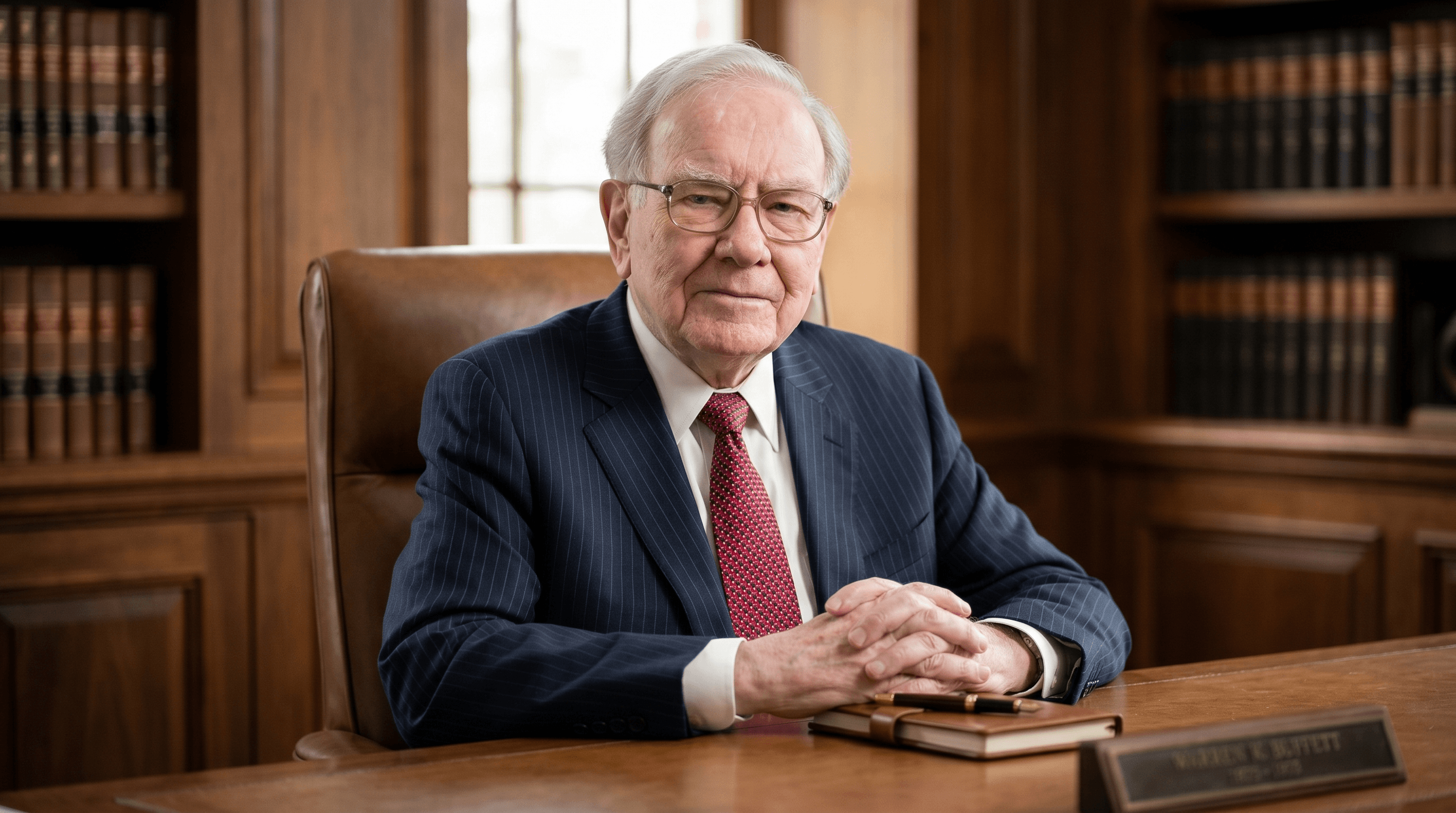
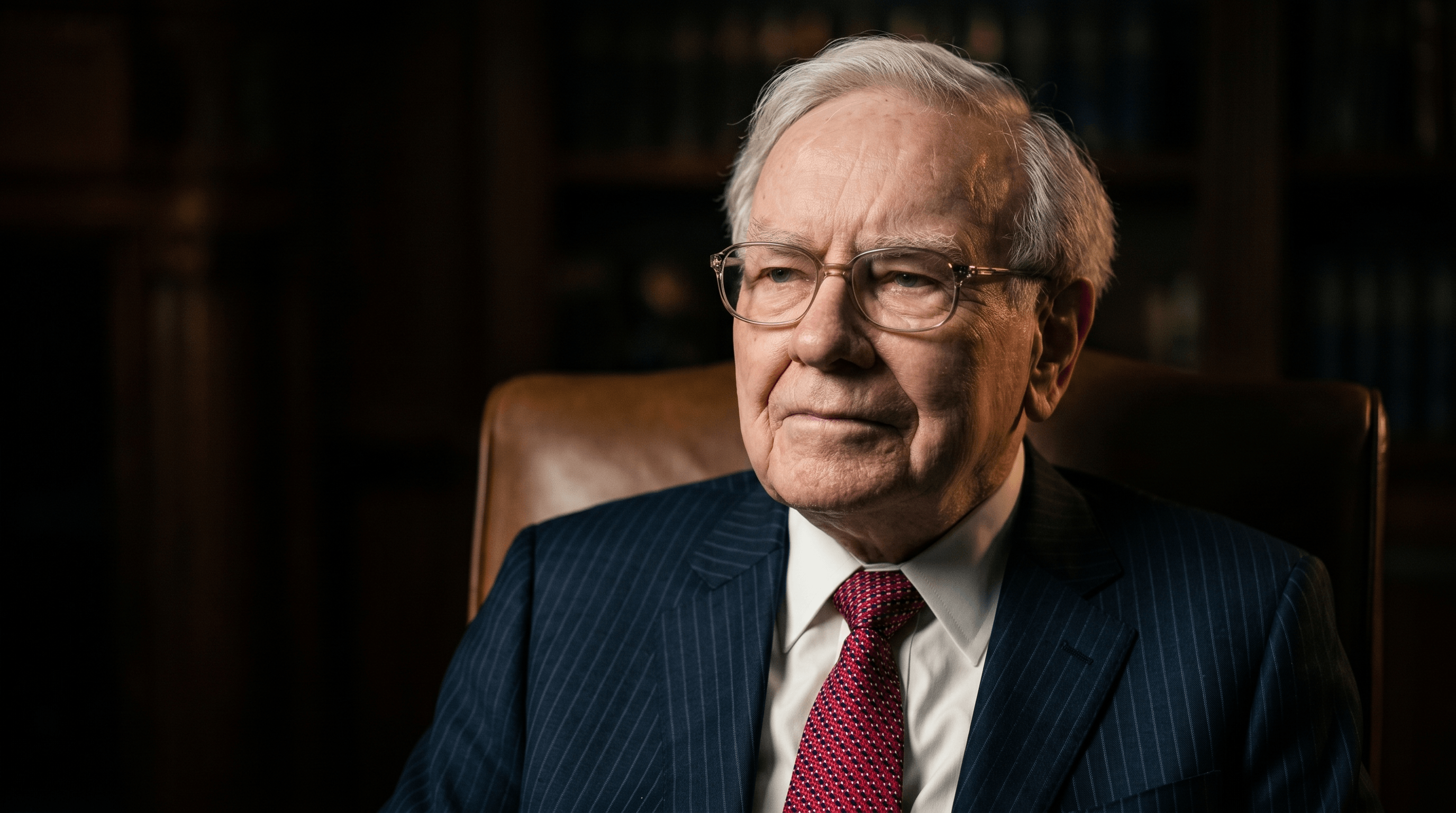
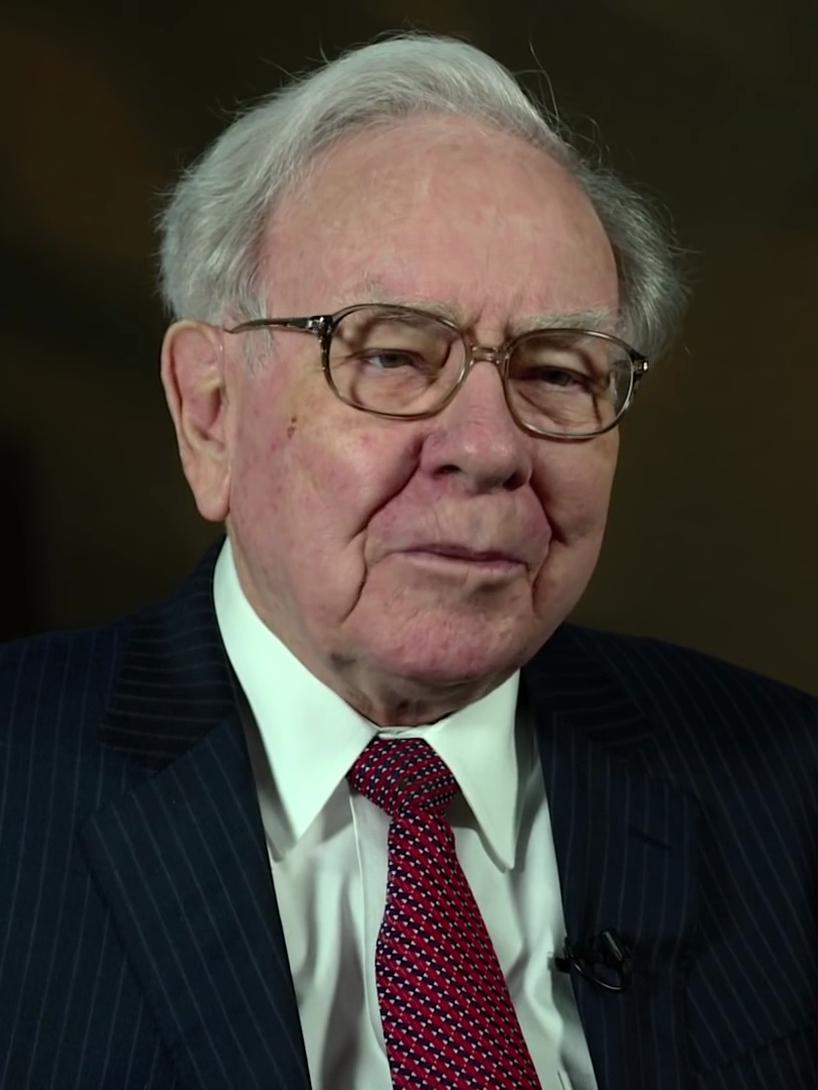
Mohnish Pabrai: The Copycat Investor Who Made Buffett Proud
Mohnish Pabrai turned $1M into $1B by openly copying Buffett. His Dhandho framework — heads I win, tails I don't lose much — is the playbook.
Puntos clave
- Pabrai founded Pabrai Funds in 1999 and has compounded capital at roughly mid-teens annualized over long stretches
- His core framework — "Dhandho" — is rooted in "heads I win big, tails I don't lose much" asymmetric bets
- He is famous for concentration: typically 10-15 holdings, no shorts, no derivatives, minimal leverage
- Pabrai has owned GOOGL, AMZN, MU, and cyclical names like FCX at different points
- He paid about $650,000 alongside Guy Spier for a 2007 lunch with Buffett — a signal of how much he values direct access
Mohnish Pabrai turned roughly $1 million in launch capital into over $1 billion of cumulative returns by doing something unusual: he openly copied Warren Buffett, and said so in every interview. The approach he calls "cloning" has made him one of the most-watched concentrated value investors of his generation.
Who is Mohnish Pabrai?
Mohnish Pabrai is an Indian-American investor, engineer, and author, born in 1964 in Mumbai and educated at Clemson University in the US. Before becoming a money manager, he built and sold a technology consulting firm, TransTech, which gave him the initial roughly $1 million of seed capital to launch Pabrai Funds in 1999.
Pabrai Funds operates as a concentrated value partnership — explicitly modeled on the 1950s Buffett Partnership structure. He has stated repeatedly that his investment process, fund mechanics, fee structure, and even the way he thinks about public appearances are all deliberate copies of what Buffett did in his early partnership era.
The result: Pabrai has compounded capital at roughly 15-18% annualized across the fund's multi-decade history, beating the S&P 500 by a wide margin in some periods and tracking it or underperforming in others. The performance, like all value histories, is uneven year to year but strong across complete cycles.
How does Dhandho investing work?
The answer is asymmetry. "Dhandho" is a Gujarati word Pabrai adopted from the Patel business community in India — immigrant families who have dominated the US motel industry since the 1970s. The Patel approach is deceptively simple: buy assets where the upside is large, the downside is protected, and the required capital is modest relative to the potential return.
Pabrai formalized this into a book titled "The Dhandho Investor" (2007). The central framework is sometimes summarized as nine principles:
- Invest in existing businesses, not startups
- Invest in simple businesses you can understand
- Invest in distressed businesses in distressed industries
- Invest in businesses with durable moats
- Bet big when the odds are overwhelmingly in your favor
- Focus on arbitrage opportunities — price vs intrinsic value
- Always require a large margin of safety
- Stick to low-risk, high-uncertainty situations
- Copy better investors — "cloning" beats innovation in this business
The seventh principle — large margin of safety — is central. Pabrai has said publicly that he almost always requires a discount of 50% or more to intrinsic value before deploying material capital.
What are Pabrai's core principles?
Five ideas recur across his letters, interviews, and public talks. These are the filters a stock must pass before it earns a portfolio slot.
First, a clear understanding of the business. If Pabrai cannot explain in one or two sentences what the company does and how it makes money, he passes. This is Buffett's "circle of competence" principle applied with unusual rigor.
Second, large and durable moats. Moats can be cost advantages, network effects, switching costs, or regulatory barriers. Pabrai is willing to pay up — though not much — for businesses that will still dominate their niche in a decade.
Third, asymmetric risk-reward. The classic heuristic: "Heads I win, tails I don't lose much." If the downside is protected by tangible assets, cash flows, or balance sheet strength, and the upside is multi-bagger optionality, the position earns a seat.
Fourth, concentration. Pabrai typically holds fewer than 15 positions. He has said diversification protects investors who don't know what they own, and concentration is what lets investors who do know compound wealth.
Fifth, almost never selling on macro noise. Pabrai's portfolio turnover is famously low. Positions are bought with intent to hold for many years, and often only sold when the margin of safety has inverted or the thesis has materially broken.
What stocks has Pabrai owned?
Pabrai's portfolio has been an interesting mix of US mega-caps, semiconductors, commodities, and (more recently) emerging market names. Here is a representative sampling across eras.
| Era | Notable Holdings | Thesis |
|---|---|---|
| 2000-2007 | Frontline (shipping), USG (gypsum) | Cyclical distress, large margin of safety |
| 2007-2012 | Financials (BAC exposure), homebuilders | GFC distress, asymmetric bets |
| 2013-2019 | GOOGL, Google cloud thesis early | Quality compounders at reasonable prices |
| 2019-2022 | MU, semiconductors cycle | Cyclical tech at mid-cycle discount |
| 2023-present | Commodity cyclicals, EM financials | Cloning Buffett's Japan trading houses |
Relevant US-listed names Pabrai has discussed publicly include GOOGL — one of his most talked-about big tech positions when the company was trading at a rough 10-15x free cash flow multiple in the mid-2010s — and AMZN, which he has said publicly he admires as a case study in reinvestment even if he has not always owned it.
MU appeared in the portfolio during the 2019-2020 memory cycle trough. FCX and other commodity cyclicals have been recurring themes when copper and oil have been hated enough to trade at steep discounts to replacement cost.
BAC and other US money-center banks have shown up during crisis windows — 2009, 2011 European scare, 2020 COVID fear. The pattern is consistent: Pabrai buys when the narrative is broken, the balance sheet is solid, and the downside is bounded by tangible book value or regulator-backed deposits.
Why did Pabrai bid on lunch with Buffett?
Because cloning requires source material. In 2007, Pabrai teamed up with fellow value investor Guy Spier and together they paid roughly $650,000 — with net proceeds going to the Glide Foundation — to win the annual auction for a private lunch with Warren Buffett.
Pabrai and Spier have both said publicly that the lunch was one of the most valuable investments they ever made. The meeting confirmed several mental models: the importance of integrity in partners, the value of reading broadly rather than trading frequently, and the psychological framing Buffett brings to valuation under uncertainty. Spier's later book "The Education of a Value Investor" recounts much of that conversation.
The lunch became a career signature for Pabrai. It embodies the "cloning" philosophy at its purest — pay for direct access, ask the right questions, then apply what you learn. Most active investors spend far more on Bloomberg terminals and travel without ever generating that kind of intellectual return.
What lessons does Pabrai offer retail investors?
Three stand out.
First, aggressive humility. Pabrai is explicit that he is not particularly smart relative to the great investors. He compensates by reading their letters, studying their positions, and copying what works. Retail investors can do the same — our investor profiles page covers many of the same source materials Pabrai mines.
Second, the value of patience. Pabrai often holds large cash balances for years when he cannot find opportunities meeting his discount hurdle. He has said investors should expect to pass on dozens of ideas before finding one worth sizing meaningfully. This is the opposite of the common retail habit of trading weekly because the market is open.
Third, the centrality of margin of safety. Pabrai has said publicly that a 50%-plus discount to intrinsic value is his internal bar for a full position. A smaller discount might justify a starter position, but never a concentrated one. If you want to go deeper on this principle, we covered the underlying framework in detail in our margin of safety primer.
Famous Pabrai quotes
A few lines from his talks and books that get repeated most in the value-investing community.
"Heads I win, tails I don't lose much."
"If you're going to copy someone, copy the best."
"I am not good at generating original ideas. I'm good at copying."
"A lot of my thinking has been: don't lose money."
"Low-risk, high-uncertainty is the sweet spot. The market doesn't know how to price uncertainty, only risk."
Performance and caveats
Pabrai Funds' performance has been strong across full cycles but, like any concentrated strategy, volatile within them. The portfolio lost meaningful value during the 2008 financial crisis — Pabrai himself has discussed this in later interviews — before recovering strongly in the following years. More recently, the fund's heavy exposure to Indian and emerging-market equities has added regional risk that a Buffett-style US-only portfolio does not carry.
Investors considering Pabrai's playbook should take three cautions seriously:
- Concentrated portfolios can decline 30-50% in severe markets even when the underlying thesis is correct
- Cloning requires judgment about which investors to copy; not all "great" histories are repeatable
- Pabrai's long-run performance is partly a function of regime; value investing has gone through multi-year stretches of underperformance since 1999
The framework is powerful but not a substitute for independent thought. Pabrai himself insists that the most important piece of cloning is understanding why the original investor took the position — not just what position they took.
Counter-argument: concentration is not for everyone
Not every investor should run a 10-15 stock concentrated portfolio. The psychological cost of watching a single position decline 40% in a drawdown is underestimated by most people until they experience it. Pabrai has handled these drawdowns because he built his fund structure and his own emotional discipline around them.
For retail investors, a more realistic translation of Pabrai's lessons is this: apply his principles (large margin of safety, durable moats, long holding periods) inside a 25-40 stock portfolio, not a 10-15 one. You lose some of the concentration edge but gain significant resilience during the periods when your thesis is right but the timing is wrong. If you want to explore how different great investors handle concentration, our investor framework page walks through the tradeoffs.
Ready to analyze these stocks yourself? Search any ticker on MainRatios to see valuations from 6 legendary investors - free.
Frequently Asked Questions
"Dhandho" is a Gujarati word meaning "business" or "endeavors that create wealth." Pabrai uses it to describe a specific style of asymmetric investing where the downside is small relative to the upside, drawn from the risk-averse practices of Patel motel-owners in the US.