Oil Slides on Iran Peace Hopes: Energy Stocks at Risk
Crude has fallen ~20% from its 2026 peak as an Iran deal nears. Here's what a reopened Strait of Hormuz means for XOM, CVX, and energy stocks.

Key Takeaways
- Crude has retraced toward the mid-$80s, roughly 20% off its 2026 high, on rising odds of an Iran de-escalation.
- A reported draft deal would reopen the Strait of Hormuz within ~30 days — unwinding the supply premium fast.
- Integrated majors like XOM and Chevron (CVX) see revenue and free cash flow track crude almost one-for-one.
- The counter-trade: the deal is unsigned, and any breakdown re-arms the Hormuz premium overnight.
Oil has dropped roughly 20% from its 2026 peak — and the catalyst is peace, not recession. If a draft deal reopens the Strait of Hormuz, Exxon Mobil (XOM) and the rest of the energy complex lose the war premium that carried them all year.
What Changed in the Oil Market?
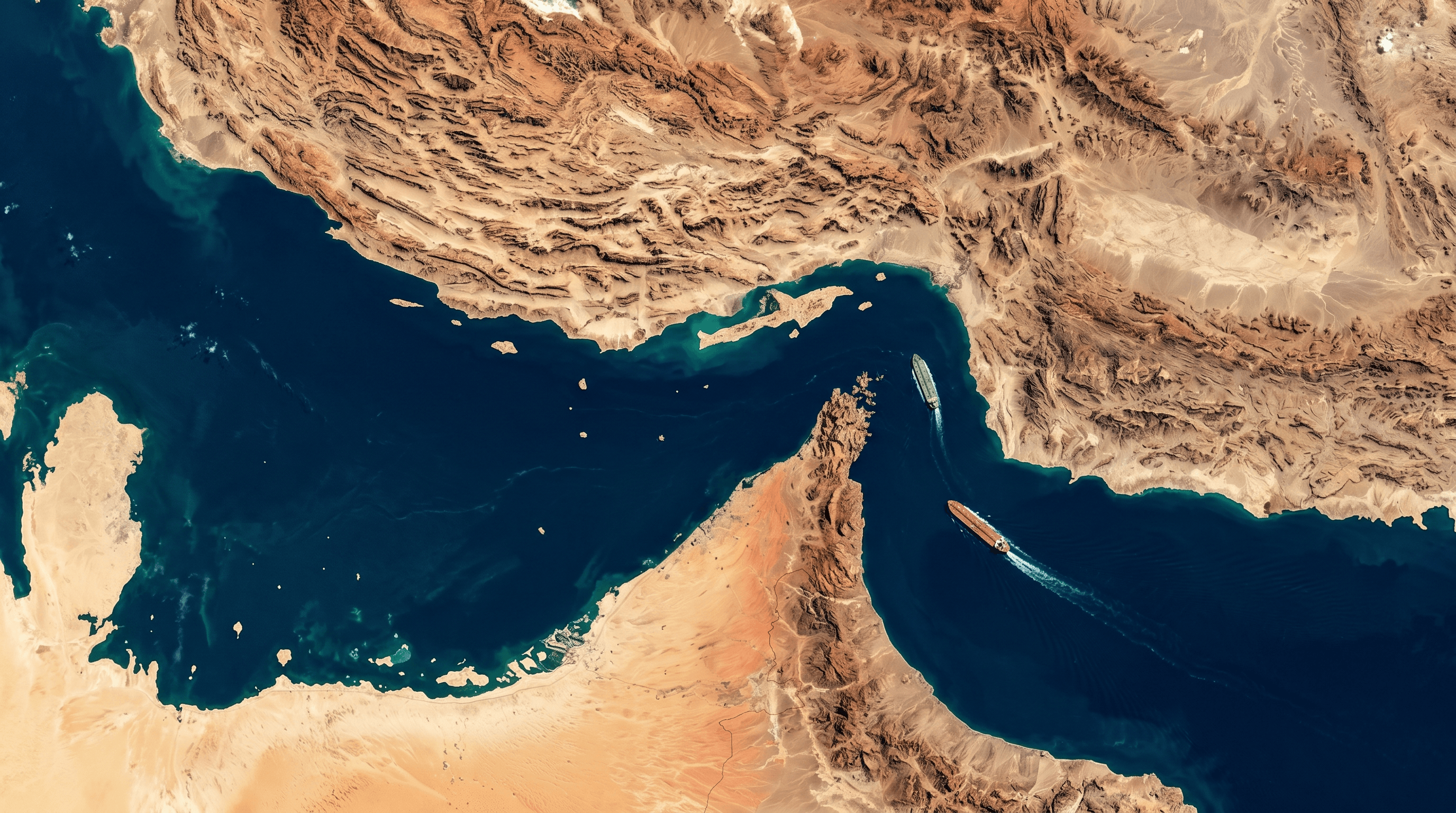
A peace process did. Since the late-February conflict with Iran, WTI and Brent had both run up more than roughly 45%, pricing in the risk that the Strait of Hormuz — the transit point for a large share of seaborne crude — could be disrupted.
That premium is now deflating. WTI recently settled near $84.88 and Brent near $87.33, both down a few percent on the session, as reports surfaced of a 14-point draft agreement that would lift oil sanctions and reopen the Strait within roughly 30 days.
When oil rises on a war premium rather than on demand, the move reverses the moment the geopolitical risk fades — and that is exactly what is happening now. The barrel is being repriced for a world with more supply and fewer choke-point fears.
The mechanics matter. Roughly a fifth of the world's seaborne crude moves through the Strait of Hormuz, so even a partial blockade fear is enough to add a structural premium to every barrel traded globally. Remove that fear and the premium does not fade slowly — it gaps out, because traders who were paying up for supply security no longer need the insurance.
That is why energy has behaved less like a value sector and more like a geopolitics derivative all year. The fundamentals — demand, inventories, OPEC discipline — barely moved, while the price swung on headlines out of the Gulf.
Why Are Energy Stocks Vulnerable Here?
Because energy earnings are a leveraged bet on the crude price, not a hedge against it. For an integrated major or an exploration-and-production company, most of the cost base is fixed, so each dollar of realized price flows almost straight to pre-tax profit.
That works beautifully on the way up and painfully on the way down. A roughly $10 drop in the average realized barrel can swing quarterly earnings sharply for names like Exxon Mobil (XOM), Chevron (CVX), and ConocoPhillips (COP), because the volume is already flowing and the lifting costs do not move.
This is the kind of operating-leverage dynamic covered in fundamental analysis: high fixed costs amplify earnings in both directions, which is why cyclical sectors swing far more than the underlying commodity.
Winners and Losers If the Strait Reopens
A lower, more stable oil price is a tax cut for everything that burns fuel and a headwind for everything that pumps it. The split is clean.
| Stock | Exposure | Read-through if oil falls |
|---|---|---|
| XOM | Integrated major | Lower revenue and buyback pace |
| CVX | Integrated major | Dividend coverage tightens |
| OXY | High-cost E&P | Most price-sensitive earnings |
| MAR | Lodging / travel | Cheaper jet fuel, more travel |
| BKNG | Online travel | Demand tailwind from lower costs |
The clearest losers are the pure-play producers — Occidental Petroleum (OXY), Diamondback Energy (FANG), and oilfield-services names like Schlumberger (SLB) — whose entire model is geared to the price of the barrel. The quieter winners are travel and consumer names like Marriott (MAR) and Booking Holdings (BKNG), where lower fuel costs lift margins and free up household spending.
Is This the Top for Energy Stocks?
Not necessarily. A retrace from a war-premium peak is not the same as a structural bear market, and several analysts still model crude holding near $90-100 until a deal is actually signed.
The energy sector also entered 2026 with far more discipline than in past cycles: leaner balance sheets, lower break-evens, and capital-return programs sized to survive a downturn. Companies like COP and EOG Resources (EOG) can defend dividends well below current prices.
The question is not whether energy stays profitable — it does — but whether the market keeps paying a premium multiple for barrels that no longer carry a scarcity story. That is a valuation question, not a solvency one.
What Should Investors Watch Next?
Watch the signing, not the headlines. A draft is not a deal, and oil markets have whipsawed all year on rumors that later reversed.
Three concrete tells: whether the reported 30-day Hormuz timeline survives Tehran's pushback, where crude settles once the premium fully unwinds, and whether majors reaffirm their buyback and dividend guidance at the lower price deck.
The midstream names — pipeline and storage operators like Kinder Morgan (KMI) and Williams (WMB) — are worth watching too, since they earn on volume and are far less exposed to the spot price than producers are.
The Counter-Argument: Why Oil Could Snap Back
Here is the risk to the bearish read. The deal is unsigned, Tehran has publicly pushed back on terms, and the entire de-escalation could collapse on a single statement.
If it does, the Hormuz premium re-arms overnight, and the same operating leverage that hurts energy earnings on the way down would send them sharply higher again. That asymmetry is why aggressive shorting of the sector is dangerous, and why position sizing matters more than conviction here — a core idea in any durable investment strategy.
There is also a longer-term bull case that has nothing to do with Iran. Years of underinvestment in new supply, steady demand from emerging markets, and disciplined capital returns mean the structural floor under oil is arguably higher than it was a decade ago. A peace deal lowers the ceiling, not necessarily the floor.
For a broader market view on how geopolitics moves valuations, our market commentary tracks the same themes — and the lesson cuts both ways. Selling a war premium can be just as crowded a trade as buying one, and crowded trades reverse hardest.
Ready to analyze these stocks yourself? Search any ticker on MainRatios to see valuations from 6 legendary investors - free.
See the full analysis of $XOM
Live P/E chart, financials, and valuations from 6 legendary investors — free.
Analyze $XOMFrequently Asked Questions
Crude is retracing because the war premium built up since the late-February Iran conflict is unwinding. A reported draft deal would lift oil sanctions and reopen the Strait of Hormuz, easing the supply-disruption fears that pushed WTI and Brent up more than roughly 45% earlier in the year.