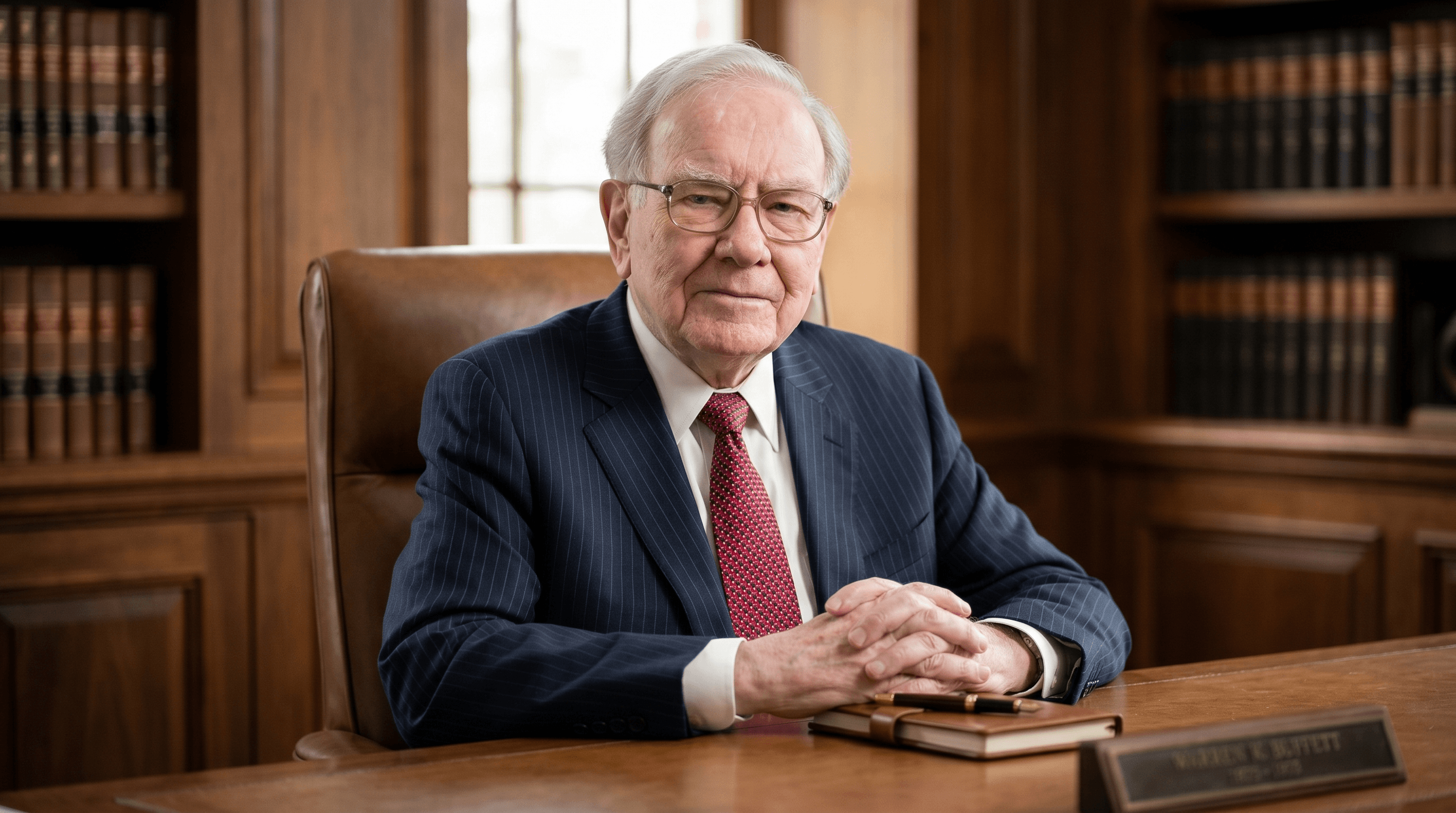
Carl Icahn: The Activist Investor Who Made Boards Tremble
Carl Icahn turned activist investing into an art — buying cheap, then forcing change. Inside his playbook, his biggest trades, and what investors can learn.

AAPL ranks #99 of 169 · score 47. These 3 lead the sector:


Key Takeaways
- Carl Icahn turned activist investing into an art: buy a stake, then force change from the inside.
- His Apple campaign helped push one of the largest buyback programs in corporate history.
- The core idea is simple — find good assets run by complacent boards, then apply pressure.
- The risk: activism can win the boardroom battle and still lose if the underlying business erodes.
In 2013, Carl Icahn fired off a single tweet revealing a new Apple (AAPL) stake — and the stock jumped, adding tens of billions in market value within minutes. That is the kind of leverage one activist investor spent half a century building.
From Options Trader to Corporate Raider
Carl Icahn was born in Queens, New York, in 1936, and started on Wall Street in the early 1960s as a stockbroker before finding his edge in options trading. By 1968 he had his own firm.
His real transformation came in the late 1970s and 1980s, the era that earned him the "corporate raider" label. He would buy large stakes in undervalued companies, then push — loudly — for breakups, buybacks, or sales that unlocked value.
The 1985 takeover of TWA made him famous and infamous at once. He gained control, sold off assets, and walked away with a large personal profit while the airline took on heavy debt.
Icahn's insight was that a public company's board often protects management's comfort, not shareholders' returns — and that a determined outsider with enough shares could change that. That conviction became a fifty-year career.
What Is Icahn's Investing Philosophy?
It is activist value investing: buy cheap assets, then become the catalyst that closes the gap to fair value. Where a traditional value investor waits patiently for the market to wake up, Icahn forces the issue.
The starting point is classic value. He hunts for companies trading below what their assets or cash flows are worth, often because of weak management or a bloated structure.
Then comes the activism. He accumulates a stake large enough to demand board seats, launch proxy fights, or pressure management publicly through letters and media.
The genius is in combining the two: a margin of safety from cheapness, plus a personal plan to release that value rather than hoping someone else does. If you want the broader landscape of approaches, our overview of super investors shows where activism sits among the great strategies.
Five Principles Behind the Icahn Playbook
First, buy assets, not stories. Icahn focuses on tangible value — cash, real estate, cash-generating divisions — that gives him downside protection if the campaign stalls.
Second, be the catalyst. He does not wait for change; he creates it through board representation and relentless public pressure.
Third, exploit complacency. His best targets are good businesses run by boards that have grown comfortable and unaccountable to owners.
Fourth, use cash returns as a lever. Buybacks, dividends, and spinoffs are his favorite tools to hand value directly back to shareholders.
Fifth, be willing to walk away. When a thesis breaks or the price runs, he exits — sentiment is not part of the calculation.
In His Own Words
A few lines capture his worldview better than any summary.
"When most investors, including the pros, all agree on something, they're usually wrong" — his contrarian core.
"If you want a friend on Wall Street, get a dog" — on the loneliness of fighting boards.
"In takeovers, the metaphor is war" — on how seriously he treats a campaign.
These are not just personality. Each quote points at the same belief: consensus is dangerous, comfort breeds underperformance, and pressure is the tool that converts undervaluation into return.
Notable Trades and Holdings
Icahn's career reads like a tour of corporate America's biggest fights. The table below highlights well-documented campaigns, with approximate framing — exact returns vary by source and timing.
| Ticker | Company | The campaign | Rough outcome |
|---|---|---|---|
| AAPL | Apple | Pushed for a larger buyback (2013-2016) | Large gain, exited early |
| NFLX | Netflix | Big early stake (2012-2015) | One of his best wins |
| EBAY | eBay | Pushed PayPal spinoff (2014) | PayPal later separated |
| DELL | Dell | Fought the 2013 buyout terms | Forced a higher price |
| TTWO | Take-Two | Board seats, strategy fight (2007-2010) | Mixed result |
| OXY | Occidental | Opposed the Anadarko deal (2019+) | Won board seats |
| FCX | Freeport-McMoRan | Stake and board push (2015) | Cyclical, mixed |
| LNG | Cheniere Energy | Cost-discipline campaign (2015+) | Pushed for restraint |
The Apple (AAPL) and Netflix (NFLX) trades show the upside of buying quality and pressing for returns. The eBay (EBAY) and Dell (DELL) campaigns show his structural playbook — spinoffs and better deal terms.
His energy bets on Occidental (OXY), Freeport-McMoRan (FCX), and Cheniere Energy (LNG) show the harder side: even a winning proxy fight cannot fully offset a commodity cycle turning against you.
How Good Were His Returns?
Strong over decades, but uneven — and that nuance matters. Across much of his career, Icahn compounded capital at rates that put him among the most successful activists ever, with several individual campaigns generating billions in profit.
But the history is not a straight line. His publicly traded vehicle, Icahn Enterprises, struggled in recent years, and a 2023 short-seller report pressured the stock and its dividend. The lesson buried in that drawdown is that activism amplifies outcomes in both directions — concentration and leverage that supercharge wins also deepen losses.
No investor, however legendary, escapes that math. Critics also argue some Icahn campaigns extracted short-term gains at the expense of a company's long-term health — a fair debate that follows activism everywhere.
What Can Everyday Investors Learn?
You cannot launch a proxy fight, but the mindset travels. Start by separating a good asset from a good price — Icahn buys quality only when it is cheap, never quality at any cost.
Next, think like an owner. Ask whether management is genuinely working for shareholders or for itself, and treat capital allocation — buybacks, dividends, acquisitions — as the real test.
Finally, respect the downside. Icahn's tangible-asset focus is a reminder that a margin of safety matters more than a great narrative. For building that discipline into a repeatable process, see our guide to investment strategies, and browse more profiles on the investors page.
Ready to analyze these stocks yourself? Search any ticker on MainRatios to see valuations from 6 legendary investors - free.
See the full analysis of $AAPL
Live P/E chart, financials, and valuations from 6 legendary investors — free.
Analyze $AAPLFrequently Asked Questions
He is one of the original activist investors, known for buying large stakes in undervalued companies and then pressuring management for buybacks, spinoffs, or sales. High-profile campaigns at companies like Apple, eBay, and Dell made him a household name on Wall Street.