Between 1939 and 1945, the S&P 500 rose 115%. During the Korean War, it gained 29%. The Gulf War? Up 30% in the following year. If your instinct during a geopolitical crisis is to sell everything and hide in cash, history has one message for you: that instinct is almost always wrong.
Why Markets Don't Care About Wars (As Much as You'd Think)
It sounds cold, but stock markets are pricing machines, not moral judges. They don't care about geopolitics — they care about earnings, interest rates, and liquidity. Wars become market-relevant only insofar as they affect those three variables.
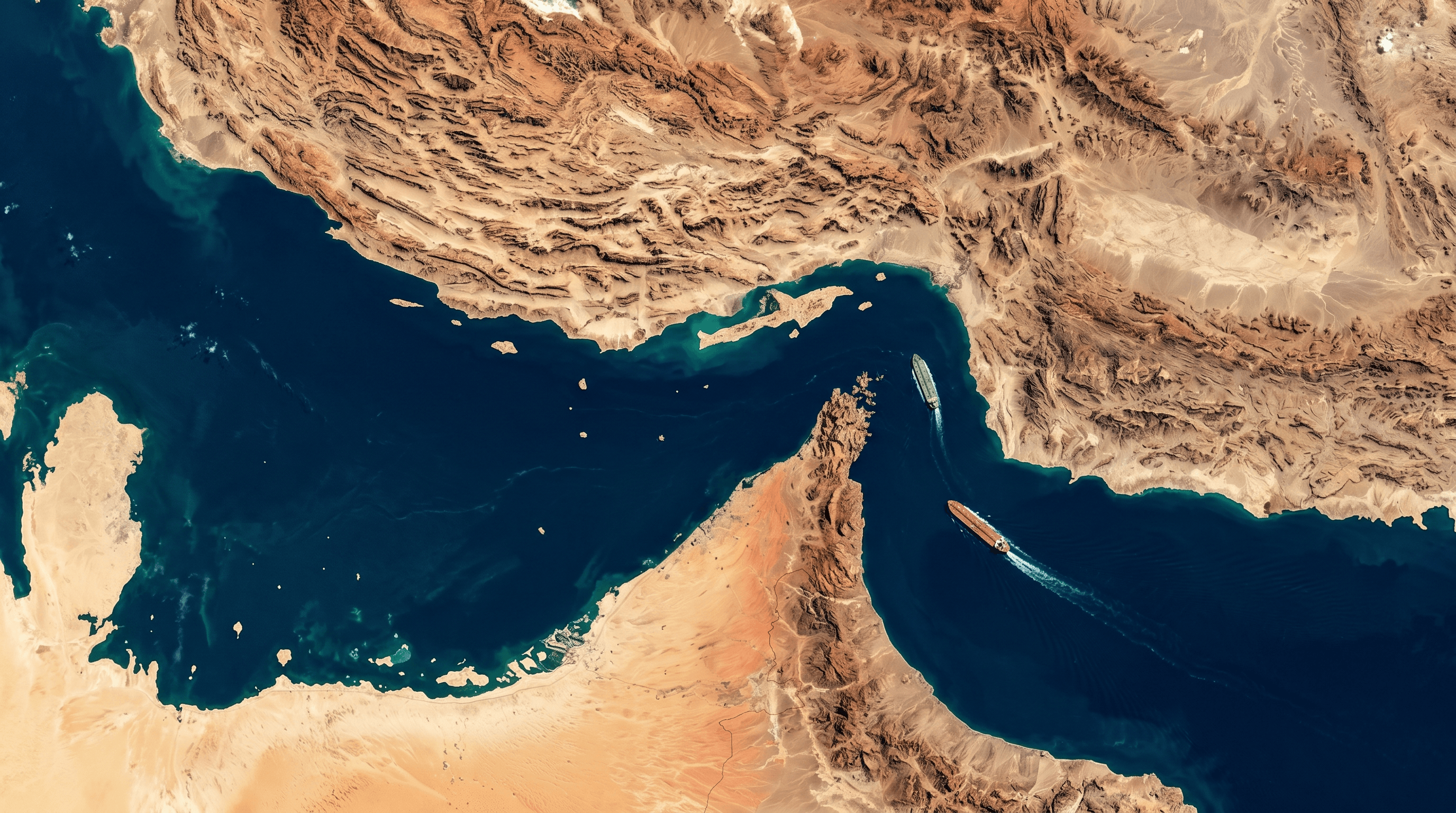
The current Iran conflict has pushed oil past $110 per barrel, which directly impacts corporate earnings (higher costs for most companies, higher revenue for energy companies), inflation expectations (which influence interest rates), and consumer spending (which drives economic growth). Those are the mechanisms that matter — not the headlines themselves.
Understanding this distinction is what separates reactive investors who sell at the bottom from strategic investors who buy when others are panicking. For more on how legendary investors approach market corrections, visit our super investors section.
The Historical Playbook: What Every Major Conflict Taught Us
Let's look at what actually happened to U.S. stocks during major geopolitical crises:
| Conflict |
Year |
Initial Drop |
12-Month Return |
S&P 500 at Start |
S&P 500 12 Months Later |
| Pearl Harbor |
1941 |
-19.8% |
+7.6% |
10.55 |
11.35 |
| Korean War |
1950 |
-12.9% |
+28.8% |
17.05 |
21.96 |
| Cuban Missile Crisis |
1962 |
-6.6% |
+33.8% |
56.11 |
75.08 |
| Gulf War (Iraq) |
1990 |
-16.9% |
+29.5% |
339.94 |
440.27 |
| 9/11 Attacks |
2001 |
-11.6% |
-16.8% |
1092.54 |
909.58 |
| Russia-Ukraine |
2022 |
-8.7% |
+1.2% |
4373.94 |
4427.12 |
| Iran Conflict |
2026 |
-5.2%* |
TBD |
6820* |
TBD |
*Approximate figures through early April 2026.
The pattern is striking. In five out of six major conflicts, stocks were higher 12 months later — often significantly higher. The exception is 9/11, but that occurred during an already-established bear market (the dot-com bust) and was followed by corporate scandals (Enron, WorldCom) that had nothing to do with terrorism.
The initial selloff typically lasts 2-4 weeks, with an average decline of about 12%. Then markets stabilize, digest the new reality, and begin to recover.
The Four Phases of a Geopolitical Market Shock
Every geopolitical crisis follows a remarkably similar market pattern. Recognizing which phase you're in can prevent costly emotional decisions.
Phase 1: The Shock (Days 1-5). Markets drop sharply on the initial event. Volatility spikes. The VIX jumps above 30. News coverage is wall-to-wall, and social media amplifies fear. This is when most retail investors sell — and it's almost always the worst time to do so.
Phase 2: The Uncertainty Premium (Weeks 1-4). Markets stay volatile as investors try to assess the economic impact. Oil prices, interest rates, and currency markets are the transmission mechanisms. This is where we are now with the Iran conflict. SPY has been essentially range-bound, trading between 6,400 and 6,700.
Phase 3: The Adaptation (Months 1-3). Companies and consumers adjust to the new environment. Businesses renegotiate contracts, hedge commodity exposure, and update forecasts. Earnings reports start reflecting the actual (rather than feared) impact. Markets typically begin recovering during this phase.
Phase 4: The Resolution Rally (Months 3-12). Whether through ceasefire, victory, or simply normalization, the geopolitical risk premium fades. Markets not only recover but often overshoot as relief buying combines with the monetary and fiscal stimulus that often accompanies military conflicts.
The Sectors That Thrive During Geopolitical Uncertainty
Not all stocks react the same way to geopolitical events. Historically, some sectors consistently outperform during periods of elevated risk:
Energy: The most obvious beneficiary when conflict occurs in oil-producing regions. Exxon Mobil (XOM) and Chevron (CVX) have been among the best performers since the Iran conflict began. Energy stocks have outperformed the S&P 500 during every Middle Eastern conflict since 1973.
Defense and Aerospace: Military conflicts drive expectations for increased defense spending. Lockheed Martin (LMT), Raytheon (RTX), and Northrop Grumman (NOC) tend to see sustained buying during active conflicts. These moves are often durable — defense budgets take years to unwind even after conflicts end.
Gold and Gold Miners: Gold is the classic fear trade. Newmont (NEM) and gold ETFs have historically outperformed during geopolitical crises. With gold crossing $3,200 per ounce in 2026, miners are seeing significant earnings upside.
Healthcare and Utilities: These defensive sectors attract capital during uncertainty. UnitedHealth (UNH) and Johnson & Johnson (JNJ) tend to hold their value when growth stocks are selling off.
Cybersecurity: Modern conflicts have a significant cyber dimension. CrowdStrike (CRWD) and Palo Alto Networks (PANW) have benefited from increased cybersecurity spending driven by state-sponsored threats.
Five Strategies for Investing During Geopolitical Crises
Strategy 1: The Disciplined Buyer
This is the Warren Buffett approach: be greedy when others are fearful. When quality stocks drop 10-20% because of a geopolitical event that doesn't fundamentally impair their long-term earnings power, it's often a buying opportunity.
The key word is "quality." Not every dip is a buying opportunity. A company with weak finances that gets hit by both market sentiment and direct economic impact (like a heavily leveraged airline during an oil shock) might not recover. Focus on companies with strong balance sheets, pricing power, and diversified revenue streams.
Stocks like Apple (AAPL), Microsoft (MSFT), and Costco (COST) historically recover faster from geopolitical selloffs because their businesses are durable enough to weather temporary disruptions. For a detailed look at how Buffett evaluates stocks during turmoil, study his approach to valuation and margin of safety.
Strategy 2: The Sector Rotator
Rather than trying to time the overall market, rotate capital from vulnerable sectors to resilient ones. This means reducing exposure to airlines, consumer discretionary, and import-dependent manufacturers while increasing positions in energy, defense, and healthcare.
This isn't about trying to profit from war — it's about recognizing that capital flows are shifting and positioning accordingly. The sector rotation during the Russia-Ukraine conflict was textbook: energy and defense outperformed by 30%+ while consumer discretionary lagged.
Strategy 3: The Hedger
If you don't want to sell positions, consider hedging instead. Options strategies like protective puts or collar trades can limit downside while maintaining upside exposure. The VIX is currently elevated, which makes hedging more expensive, but the cost is often justified during genuinely uncertain periods.
Gold allocations also serve as portfolio insurance. Even a 5-10% allocation to gold or gold miners can meaningfully reduce portfolio drawdowns during geopolitical shocks.
Strategy 4: The Dollar-Cost Averager
If you're investing for the long term (and you should be), geopolitical crises are simply noise in a multi-decade journey. The investor who continued putting $500 per month into an S&P 500 index fund during every conflict since 1950 ended up far wealthier than the one who tried to time entries and exits.
Dollar-cost averaging removes the emotional burden of deciding when to invest. It won't produce the best possible returns (buying the exact bottom would be better), but it protects against the worst possible outcome: panic selling at the low and never getting back in.
Strategy 5: The Contrarian
The most profitable trades during geopolitical crises often involve buying the sectors that are getting hammered the hardest — if you believe the impact is temporary. Airlines during oil spikes, banks during financial crises, travel stocks during pandemics.
Delta Air Lines (DAL) is down significantly from its pre-conflict highs. If oil prices normalize within 6 months (as they have after most conflicts), DAL could snap back sharply. But this strategy requires conviction, patience, and the ability to be wrong for a while before being right.
The Mistakes That Cost Investors the Most
Panic selling: The data is unequivocal. Investors who sold during geopolitical shocks and waited for "clarity" before reinvesting underperformed buy-and-hold investors by an average of 7% over the following year. Clarity never comes when you want it — the all-clear signal arrives after prices have already recovered.
Overconcentrating in "safe" assets: Running entirely to cash or bonds locks in losses and sacrifices the recovery. Even during the worst geopolitical periods, maintaining equity exposure was the winning strategy over any 5+ year period.
Ignoring the economic fundamentals: The Iran conflict matters because of oil, not because of war headlines. If oil dropped back to $80 tomorrow, stocks would rally immediately regardless of whether the conflict continued. Stay focused on the economic transmission mechanism, not the emotional narrative.
Making permanent portfolio changes based on temporary events: Geopolitical crises feel permanent but are almost always temporary in their market impact. Restructuring your entire portfolio around a specific conflict is usually a mistake.
For more on avoiding common investing mistakes and building robust strategies, explore our investment strategies guide.
How to Evaluate Your Own Portfolio Right Now
Take 30 minutes this weekend and do the following:
- Check your sector exposure: Are you overweight in sectors vulnerable to high oil prices? Use our tool to check PE ratios and valuations for your holdings.
- Assess your cash position: Do you have dry powder to buy if prices drop further? Most financial advisors recommend 5-15% cash during elevated uncertainty.
- Review your time horizon: If you don't need this money for 10+ years, short-term geopolitical events are buying opportunities, not sell signals.
- Check earnings dates: If you hold stocks reporting in the next 2 weeks, understand what the market expects and how geopolitical risks might affect guidance.
The Bottom Line
Geopolitical crises are scary, but they're also among the most predictable market patterns. Stocks drop on the shock, grind sideways during uncertainty, and rally on resolution. The investors who succeed are those who have a plan before the crisis hits and follow it without letting emotions take over.
The Iran conflict has created genuine economic consequences through oil prices and inflation. But it hasn't changed the fundamental earnings power of great companies, the long-term trajectory of AI-driven productivity, or the resilience of the U.S. consumer. History strongly suggests that investors who maintain exposure — or even add to positions — during geopolitical selloffs will be rewarded.
Your job isn't to predict when the conflict ends. It's to make sure you're still in the market when it does.
Ready to analyze these stocks yourself? Search any ticker on MainRatios to see valuations from 6 legendary investors - free.