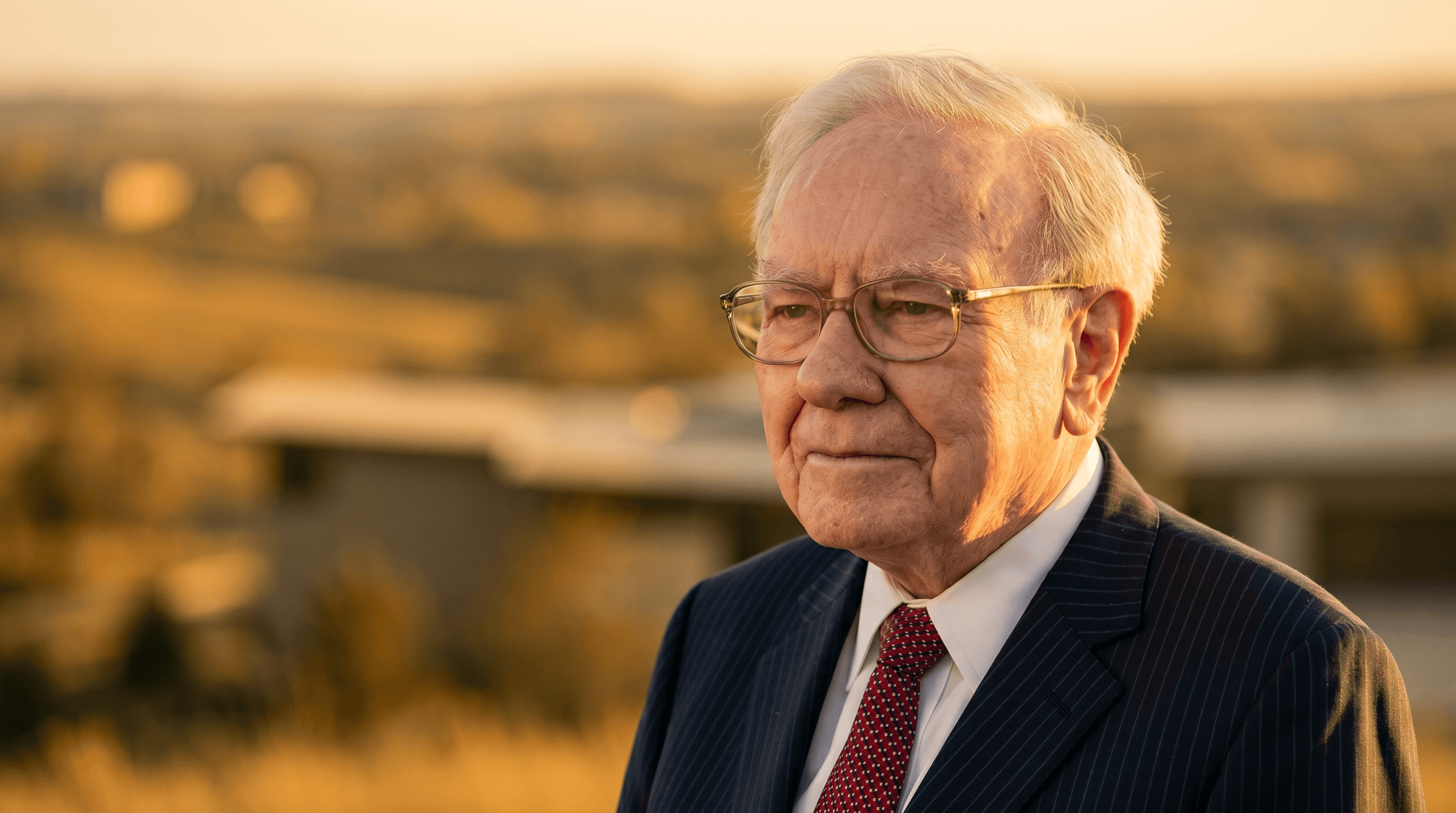
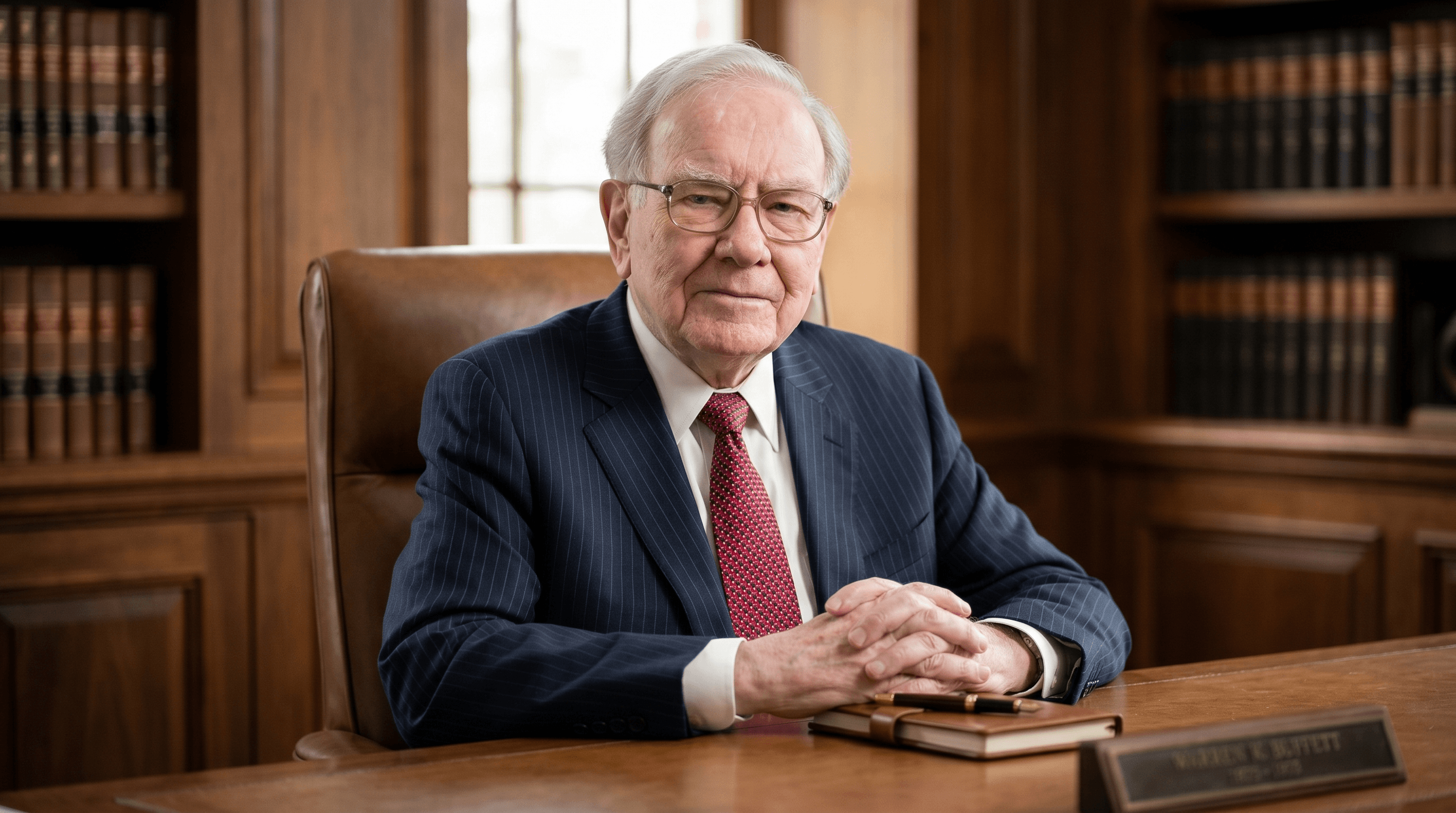
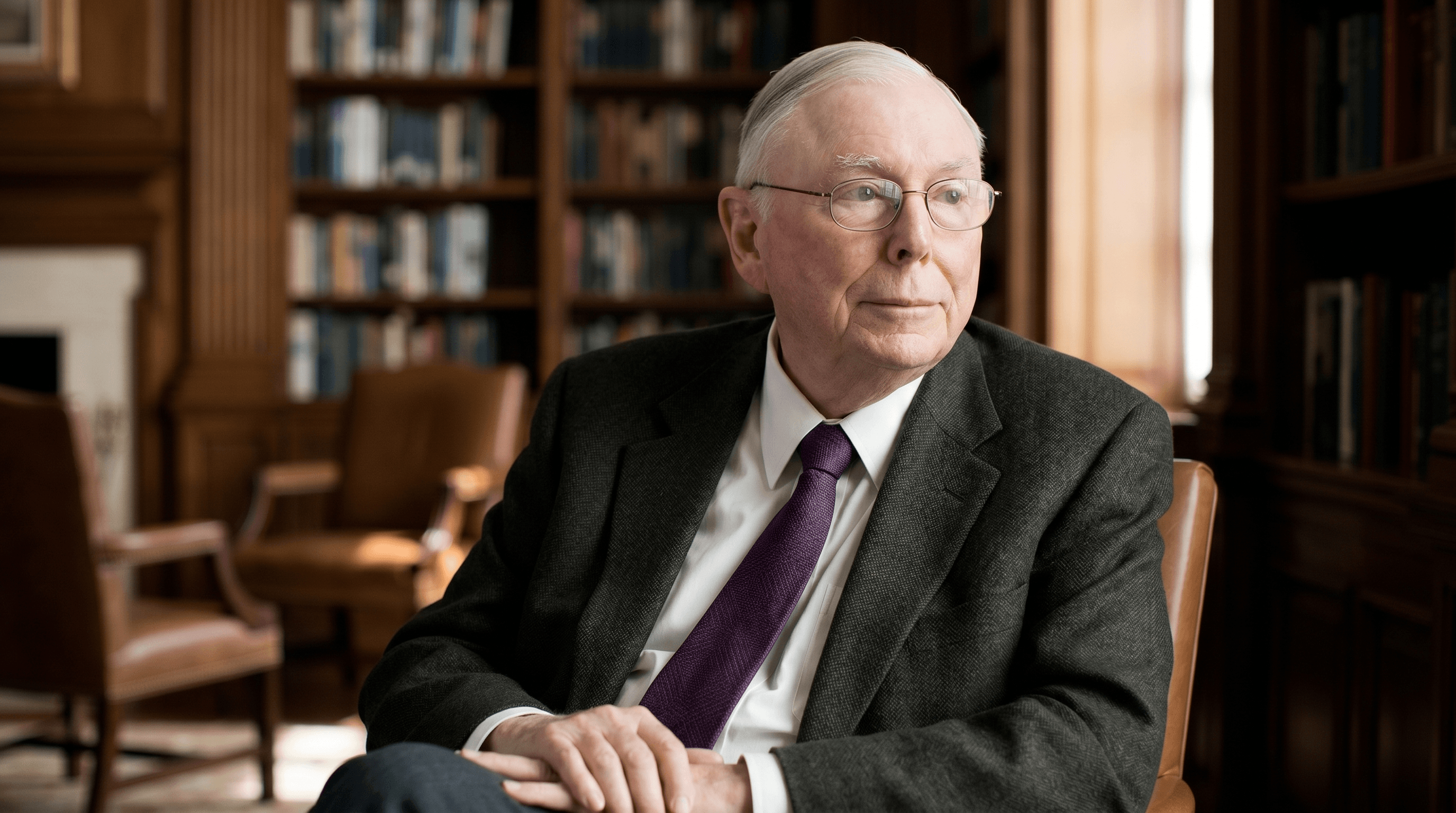
Warren Buffett's $100 Billion Secret: How to Replicate His Value Investing Strategy
In 1988, Warren Buffett bet $1 billion on a soda company. That single investment in [Coca-Cola (KO)](/stock/KO) is now worth over $25 billion. Here's how you can use his value investing principles to
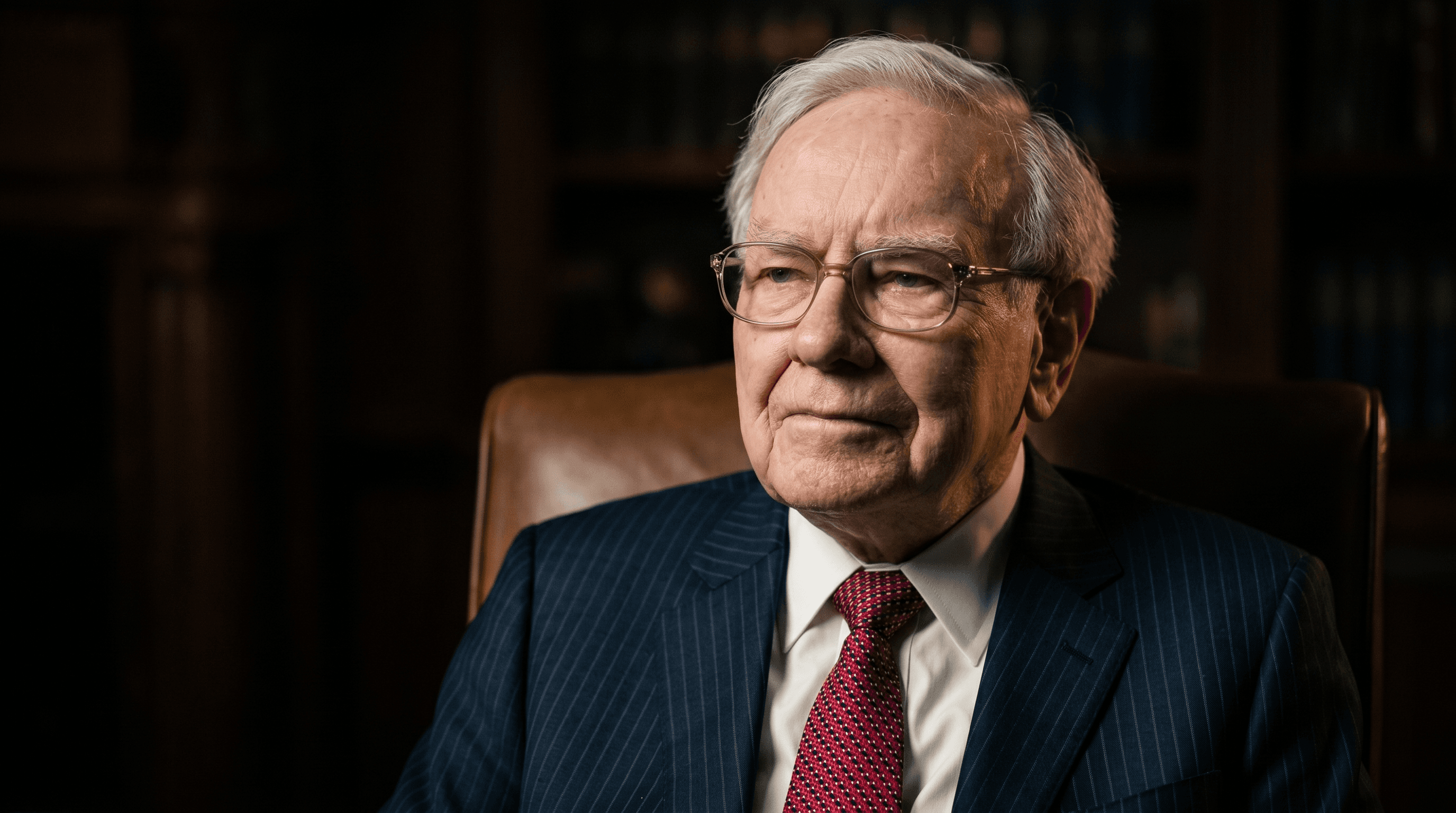
In 1988, Warren Buffett bet $1 billion on a soda company. That single investment in Coca-Cola (KO) is now worth over $25 billion. But the Oracle of Omaha's success isn't just about luck; it's about a disciplined, long-term approach to value investing that anyone can learn.
This article delves into the life, investment philosophy, and key strategies of Warren Buffett, offering actionable insights for individual investors looking to emulate his success in today's market.
The Origin Story: From Newsboy to Billionaire
Born in Omaha, Nebraska, in 1930, Warren Buffett displayed an early aptitude for business. As a child, he sold Coca-Cola bottles and newspapers, demonstrating an entrepreneurial spirit that would later define his career. By age 11, he bought his first stock, and by 16, he had accumulated the equivalent of $53,000 in today's dollars.
Buffett's formal education includes a degree from the University of Nebraska and studies at Columbia Business School, where he was deeply influenced by the teachings of Benjamin Graham, the father of value investing. Graham's principles of buying undervalued companies with a margin of safety became the cornerstone of Buffett's investment strategy. His mentor Benjamin Graham pioneered this approach.
After working for Graham-Newman Corp., Buffett launched Buffett Partnership Ltd. in 1956. Through shrewd investments and a focus on long-term value, he steadily built his wealth, eventually taking control of Berkshire Hathaway (BRK.A), a struggling textile company, and transforming it into the massive holding company it is today.
Buffett's Investment Philosophy: Value and Quality
Warren Buffett's investment philosophy centers on two core principles: value investing and quality businesses. He seeks to buy companies that are trading below their intrinsic value – what he believes they are truly worth – and that possess durable competitive advantages, strong management teams, and consistent earnings power.
He famously said, "It's far better to buy a wonderful company at a fair price than a fair company at a wonderful price." This reflects his emphasis on quality over bargain-basement prices. Buffett prefers to hold his investments for the long term, often decades, allowing the power of compounding to work its magic.
Key Principles of Buffett's Investing Strategy
-
Focus on Intrinsic Value: Buffett meticulously analyzes a company's financial statements to determine its intrinsic value, using techniques such as discounted cash flow analysis. He looks for companies whose market price is significantly below his estimate of their intrinsic value, providing a margin of safety. To understand his approach, start with margin of safety.
-
Invest in Understandable Businesses: Buffett famously avoids investing in businesses he doesn't understand, particularly those in rapidly changing or complex industries. He sticks to simple, well-established businesses with a proven track record.
-
Seek a Moat: Buffett looks for companies with a durable competitive advantage, or "economic moat," that protects them from competitors. This moat could be a strong brand, a proprietary technology, a cost advantage, or a dominant market share.
-
Long-Term Perspective: Buffett is a patient investor who is willing to hold his investments for the long term, often decades. He believes that time is the friend of the wonderful company and the enemy of the mediocre one.
-
Strong Management: Buffett places a high value on strong, honest, and capable management teams. He looks for managers who are focused on creating long-term value for shareholders and who have a proven track record of success.
Famous Quotes from the Oracle of Omaha
- "Be fearful when others are greedy and greedy when others are fearful."
- "It's far better to buy a wonderful company at a fair price than a fair company at a wonderful price."
- "Our favorite holding period is forever."
- "Price is what you pay. Value is what you get."
Notable Trades & Holdings
Warren Buffett's investment portfolio is a testament to his value investing principles. Here are some of his most notable trades and current holdings:
- Coca-Cola (KO): As mentioned earlier, Buffett's investment in Coca-Cola in 1988 has become one of his most successful. He recognized the brand's enduring appeal and the company's consistent profitability.
- American Express (AXP): Buffett first invested in American Express in the 1960s and has remained a long-term shareholder. He appreciates the company's strong brand and its position in the payments industry.
- Apple (AAPL): While initially hesitant to invest in technology companies, Buffett eventually recognized the value of Apple's brand, its loyal customer base, and its ecosystem of products and services. Today, it's one of Berkshire Hathaway's largest holdings.
- Bank of America (BAC): Buffett invested in Bank of America during the financial crisis of 2008, providing a much-needed vote of confidence in the company. He has since remained a significant shareholder.
- Kraft Heinz (KHC): This investment, made in partnership with 3G Capital, has been more controversial, with the company facing challenges in recent years. It highlights that even Buffett's investments are not always guaranteed to succeed.
- See's Candies: Though not publicly traded, this acquisition in 1972 exemplifies Buffett's focus on simple, cash-generating businesses with strong brands.
- Occidental Petroleum (OXY): In recent years, Buffett has significantly increased Berkshire Hathaway's stake in Occidental Petroleum, betting on the long-term prospects of the oil and gas industry.
- Moody's Corporation (MCO): Buffett has long held a significant stake in Moody's, recognizing the value of its credit rating services. Read our market analysis to see how ratings affect stock prices.
- Verizon Communications (VZ): While Berkshire Hathaway has reduced its stake in Verizon in recent years, it previously held a significant position in the telecommunications giant.
Here's a snapshot of some key holdings as of 2026:
| Company | Ticker | Sector | % of Portfolio |
|---|---|---|---|
| Apple | AAPL | Technology | 40% |
| Bank of America | BAC | Financials | 12% |
| American Express | AXP | Financials | 8% |
| Coca-Cola | KO | Consumer Staples | 7% |
| Occidental Petroleum | OXY | Energy | 5% |
Performance Track Record
Warren Buffett's investment performance over the past six decades has been nothing short of remarkable. From 1965 to 2023, Berkshire Hathaway's annualized return was approximately 20%, significantly outperforming the S&P 500's 10% return over the same period. This consistent outperformance has made Buffett one of the wealthiest and most respected investors in the world.
However, it's important to note that past performance is not necessarily indicative of future results. In recent years, Berkshire Hathaway's returns have been more in line with the overall market, as it has become increasingly difficult for Buffett to find undervalued companies of sufficient size to move the needle for his massive portfolio.
Lessons for Individual Investors
While replicating Warren Buffett's success is a tall order, individual investors can learn valuable lessons from his approach:
- Do Your Homework: Thoroughly research companies before investing, focusing on their financial statements, competitive advantages, and management teams.
- Think Long Term: Adopt a patient, long-term perspective, and avoid getting caught up in short-term market fluctuations.
- Be Disciplined: Stick to your investment strategy, and avoid making emotional decisions based on fear or greed.
- Invest in What You Know: Focus on investing in businesses that you understand and that have a proven track record.
- Seek a Margin of Safety: Only invest in companies when their market price is significantly below your estimate of their intrinsic value.
How to Apply Their Strategy Today
Even in 2026's complex market, Buffett's principles remain highly relevant. Here's how to apply them using MainRatios tools:
- Identify Undervalued Stocks: Use MainRatios' screener to filter stocks by P/E ratio, price-to-book ratio, and other value metrics to find potentially undervalued companies. Learn about P/E ratios.
- Assess Financial Health: Dive into company financials on MainRatios to analyze revenue growth, profitability, debt levels, and cash flow. Look for companies with strong balance sheets and consistent earnings.
- Evaluate Management Quality: Research management teams and their track records. Look for companies with experienced, shareholder-friendly leaders.
By following these steps, you can increase your chances of finding high-quality, undervalued companies that can deliver long-term returns, just like Warren Buffett. See Warren Buffett's strategy.
Ready to analyze these stocks yourself? Search any ticker on MainRatios to see valuations from 6 legendary investors — free.